


Recursos digitales del Centro Rural de Innovación de Cuenca (CRIEC)
Bloque de contenido
El Gobierno de Castilla-La Mancha organizó, a lo largo del primer trimestre (20/21) y de forma virtual, diferentes actividades multimedia dirigidas al alumnado y al profesorado de la región de Educación Primaria y Secundaria (ESO).
Estas actividades, elaboradas por el Centro Rural de Innovación de Cuenca (CRIEC), permitieron a los estudiantes acceder a dinámicas innovadoras de trabajo gracias a una serie de estrategias que emplearán la gamificación, la realidad virtual, las nuevas tecnologías o la creación de proyectos que abarquen a todo el alumnado.
Bloque de contenido

The museum's permanent collection consists of works by artists from the historical avant-gardes of northern, central and eastern Europe, along with a good sample of contemporary European and American creations. Names such as Kandinsky, Schlemmer, Pechstein, Donas, Joostens, Eemans, Delacroix and Picasso stand out, among others.

The current Museum of Cuenca has its origin in the one that D. Francisco Suay, mayor and teacher of Valeria, created in that town, collecting Roman objects from the Roman city and from other sources and chronology. It is located in the historic center of Cuenca in the so-called “Casa del Curato”, since in the 19th century and until 1930 it was the Rectoral House of the parishes of San Martín and Santiago.

The Albacete Museum, located in the Abelardo Sánchez park, houses an extremely interesting collection that has not stopped growing since its origin, in the last quarter of the 19th century, although it was from 1927 that it intensified its activities. Much later, on January 10, 1984, it began to be managed by the Castilla-La Mancha Community Board.

The Ruiz de Luna Museum in Talavera de la Reina occupies a former Augustinian convent from the 17th century. The purpose of the museum space is to house the personal collection of the ceramist Juan Ruiz de Luna, which is made up of valuable pieces of Talavera pottery from the 16th to 20th centuries, including personal works by the artist.

The Science Museum of Castilla-La Mancha is located in the old town of the Cuenca capital, in the small Plaza de la Merced. It consists of two buildings, an old convent and the contemporary extension, in which the different content areas are distributed. Accessing it is living a journey that will discover you, room by room, the mystery of the evolution of the Universe and Life.

The Ciudad Real Museum was created by Royal Decree on January 23, 1976. Currently, it consists of two headquarters located in the center of the city: the Prado Street building and the Old Convent of La Merced.

The Museum of Guadalajara is based in the Palacio del Infantado, an impressive building built at the end of the 15th century, undoubtedly the city's greatest architectural jewel.
The collections of the Guadalajara Museum are divided into three sections: Fine Arts, Archeology and Ethnography.
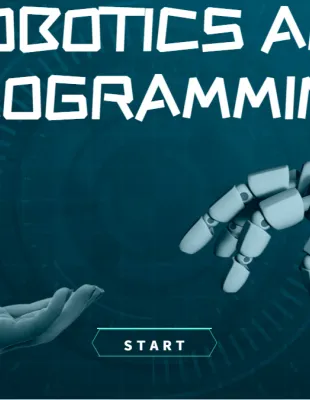
With this first unit of work, we will start a small project that will consist of creating a simple game. We will do it through the “Scratch” programming tool. This project will be developed gradually over the following work units, this being the first one.

El taller “Juego enigmático” pretende servir de apoyo al profesor para contribuir al desarrollo de la Competencia Matemática y Competencias Básicas en Ciencia y Tecnología y fomentar el pensamiento lógico matemático del alumnado.

El taller “Juego enigmático” pretende servir de apoyo al profesor para contribuir al desarrollo de la Competencia Matemática y Competencias Básicas en Ciencia y Tecnología y fomentar el pensamiento lógico matemático del alumnado.
Bloque de contenido

Banco de recursos educativos de Castilla-La Mancha
Acceda al Banco de Recursos Educativos de Castilla-La Mancha, un espacio diseñado para docentes, estudiantes y familias que buscan materiales didácticos, herramientas digitales y programas de apoyo para la enseñanza y el aprendizaje en la región. Aquí encontrarás información actualizada sobre iniciativas educativas, recursos pedagógicos y oportunidades de formación, todo con el objetivo de impulsar la calidad educativa y facilitar el acceso al conocimiento en todos los niveles.