


Recursos Educativos
Propuestas educativas
A continuación ofrecemos una serie de propuestas educativas dirigidas a centros escolares de todos los niveles educativos, familias y alumnado.
Las temáticas de las propuestas son variadas y están relacionadas con los objetivos de desarrollo sostenible (ODS): Educación ambiental, espacios naturales protegidos, iniciativas sobre igualdad, cambio climático, acción por el clima…
Bloque de contenido
Filtrar
Cerrar
El desarrollo de la competencia comunicativa básica en lengua extranjera permite a nuestros alumnos comunicarse en situaciones cotidianas, y resulta esencial de acuerdo con nuestro marco normativo actual.

Los alumnos podrán crear un proyecto original, creativo y personal a través de la elaboración de un vídeo o corto, contando una historia con una trama, unos personajes, y cuyos escenarios pueden variar entre distintos entornos; el centro educativo, el barrio, la localidad, etc.

In this Work Unit, students will be able to navigate through Virtual Reality through a 360º visit, increase their knowledge through interactive images, or check what they have learned through highly motivating evaluation dynamics.

En esta Unidad de Trabajo, el alumnado podrá navegar a través de la Realidad Virtual mediante una visita en 360º, aumentar sus conocimientos mediante imágenes interactivas, o comprobar lo que ha aprendido a través de unas dinámicas de evaluación altamente motivantes.

En esta Unidad de Trabajo, el alumnado podrá navegar a través de la Realidad Virtual mediante una visita en 360º, aumentar sus conocimientos mediante textos o vídeos sobre la obra del autor, o desarrollar una serie de actividades de evaluación cualitativa.

In this Work Unit, students will be able to navigate through Virtual Reality through a 360º visit, increase their knowledge through texts or videos about the author's work, or develop a series of qualitative evaluation activities.
Con esta segunda unidad de trabajo, iniciaremos un pequeño proyecto que consistirá en la creación de un juego sencillo. Lo haremos a través de la herramienta de programación “Scratch”. Dicho proyecto se desarrollará de forma gradual a lo largo de las siguientes unidades de trabajo, siendo ésta la primera de ellas.
With this second unit of work, we will start a small project that will consist of creating a simple game. We will do it through the “Scratch” programming tool. This project will be developed gradually over the following work units, this being the first one.

El desarrollo de la competencia comunicativa básica en lengua extranjera permite a nuestros alumnos comunicarse en situaciones cotidianas, y resulta esencial de acuerdo con nuestro marco normativo actual. Así mismo, también lo es el conocimiento de la diversidad cultural de los distintos países que forman la Unión Europea. Por ello, desarrollamos una unidad de trabajo donde aunamos ambas cosas a través de la lectura de textos informativos, visualización de videos y juegos interactivos.

The development of basic communicative proficiency in a foreign language allows our students to communicate in everyday situations, and is essential in accordance with our current regulatory framework. Likewise, so is the knowledge of the cultural diversity of the different countries that make up the European Union. For this reason, we developed a work unit where we combine both things through the reading of informative texts, viewing of videos and interactive games.
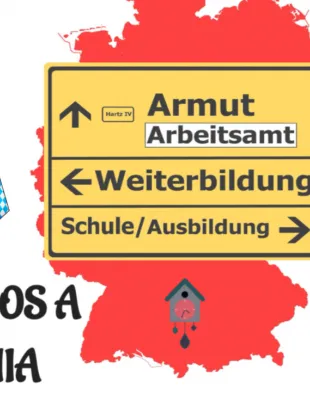
El conocimiento del patrimonio Europeo, tanto material como inmaterial, así como la riqueza y diversidad cultural de los distintos países que componen la Unión Europea, resulta fundamental para que nuestros alumnos y alumnas comprendan la importancia de pertenecer a ella. Así mismo, dicho conocimiento nos ayudará a promover en nuestros alumnos valores como la tolerancia, la solidaridad y el respeto hacia las diferentes expresiones culturales existentes, así como a conocer el pluralismo propio de una sociedad democrática. Por ello, desarrollamos una Unidad de trabajo con la que pretendemos acercar dicho patrimonio a las aulas. En este caso, trabajaremos sobre Alemania.

Knowledge of European heritage, both tangible and intangible, as well as the richness and cultural diversity of the different countries that make up the European Union, is essential for our students to understand the importance of belonging to it. Likewise, this knowledge will help us to promote in our students´ values such as tolerance, solidarity and respect for the different existing cultural expressions, as well as to know the pluralism of a democratic society. For this reason, we developed a Work Unit with which we intend to bring this heritage closer to the classrooms. In this case, we will work on Germany.
Bloque de contenido

Banco de recursos educativos de Castilla-La Mancha
Acceda al Banco de Recursos Educativos de Castilla-La Mancha, un espacio diseñado para docentes, estudiantes y familias que buscan materiales didácticos, herramientas digitales y programas de apoyo para la enseñanza y el aprendizaje en la región. Aquí encontrarás información actualizada sobre iniciativas educativas, recursos pedagógicos y oportunidades de formación, todo con el objetivo de impulsar la calidad educativa y facilitar el acceso al conocimiento en todos los niveles.
Bloque de contenido

Recursos digitales del Centro Rural de Innovación de Cuenca (CRIEC)
Estas actividades, elaboradas por el Centro Rural de Innovación de Cuenca (CRIEC), permitirán a los estudiantes acceder a dinámicas innovadoras de trabajo gracias a una serie de estrategias que emplearán la gamificación, la realidad virtual, las nuevas tecnologías o la creación de proyectos que abarquen a todo el alumnado.